

Wellbeing
Pupils' mental health and wellbeing is a high priority for us. In order for children to achieve in their learning, they need to feel safe, have their needs met, have a sense of belonging.
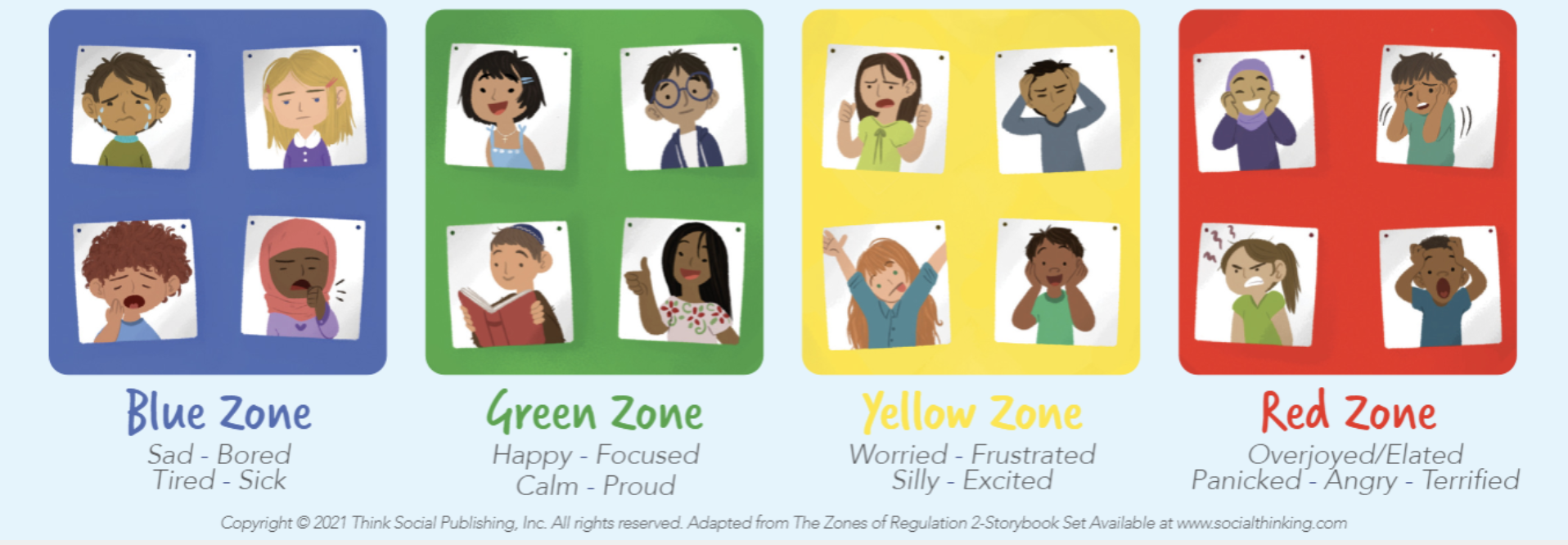
Our PSHE curriculum starts every year with a focus on the Zones of Regulation, as this helps to give the children the language to express their emotions and tools to be able to manage those emotions independently.
As we recognise the importance of children's wellbeing, we have a team who lead on Wellbeing within the school. This includes members of staff and pupils.

What is an ELSA?
An Emotional Literacy Support Assistant (ELSA) is a member of school staff who has received specialist training to support children with their social and emotional development. ELSAs are trained to plan and deliver individual or small-group programmes and receive ongoing supervision from Educational Psychologists.
At St Cuthbert Mayne, we know that children can sometimes experience worries or difficulties that affect how they feel, their relationships with others and their ability to learn. ELSA support provides a safe, nurturing and supportive space in which children can explore their feelings and develop strategies to help them manage challenges.
Mrs Penson is our trained ELSA.
What do ELSAs do?
- Deliver tailored interventions: Work with pupils either one-on-one or in small groups through bespoke, short-term programmes.
- Build emotional awareness: Help children recognise, name, and regulate complex feelings like anger, anxiety, or sadness.
- Promote self-esteem: Boost confidence, build resilience, and develop positive social and friendship skills.
- Provide a safe space: Offer a calm, non-judgmental environment for pupils to process difficult life changes, such as bereavement or family breakdown.
What can an ELSA help with?
Depending upon the individual needs of the child, ELSA support may focus on areas such as:
- understanding and managing emotions;
- worries and anxiety;
- self-esteem and confidence;
- friendships and relationships;
- social skills;
- managing strong feelings;
- emotional regulation;
- problem solving;
- coping with change;
- loss and bereavement;
- conflict and difficulties with others; and
- developing resilience.
What happens during ELSA sessions?
ELSA support is usually short-term and focused on specific individual goals. Sessions may take place individually or, where appropriate, in a small group.
Activities will vary according to the child's age and needs. Most importantly, ELSA sessions provide time for a child to talk and reflect with a trusted adult who listens carefully and helps the child to explore strategies and possible solutions.
ELSAs support, rather than "fix"
An important principle of ELSA is that the adult is not there to simply solve a child's difficulties. Instead, the ELSA helps the child to develop their own emotional skills, strategies and confidence so that they become better equipped to manage difficulties themselves.
An ELSA is also not a therapist or counsellor. There may be occasions when a child's needs require support beyond the role of an ELSA. In these circumstances, school can consider whether further or more specialist support may be appropriate. The ELSA model specifically recognises the importance of practitioners working within the scope of their training.
Working together
We believe that children flourish when school and home work in partnership. Parents and carers know their children best, and communication between home and school can help us understand a child's needs and provide appropriate support.
If you are concerned about your child's emotional wellbeing, please speak to their class teacher or SENDCo. We will listen carefully to your concerns and consider together what support may be helpful.
At St Cuthbert Mayne, we want every child to know that they belong, they are valued and there is always someone ready to listen.

Rainbows Bereavement and Loss Support
At St Cuthbert Mayne, we understand that children can experience loss and change in many different ways. The death of someone important, parental separation or other significant changes within family life can have a profound effect on a child's wellbeing.
As part of our pastoral support, we offer the Rainbows Bereavement Support Programme, a well-established programme designed to support children and young people who have experienced significant loss.
What is Rainbows?
Rainbows provides children with a safe and nurturing environment in which they can begin to explore and express their feelings about loss.
Children are supported by trained adults and have opportunities to share their experiences alongside other children who may have experienced similar changes in their lives. The programme helps children recognise that they are not alone in their feelings.
For primary-aged children, age-appropriate programmes and resources are used so that support is appropriate to children's stage of development.
How can Rainbows help?
Through sensitive, structured activities and conversations, Rainbows gives children opportunities to:
- talk about and understand their feelings;
- recognise that difficult feelings following loss are understandable;
- share experiences within a safe and supportive environment;
- develop ways of coping with change and loss;
- grow in confidence and self-esteem; and
- feel less alone in what they are experiencing.
Rainbows does not seek to take away a child's grief. Instead, it provides a caring space in which children can talk, reflect, be listened to and gradually develop ways of living with the changes they have experienced. The programme uses trained facilitators and age-appropriate materials.
Our Catholic ethos
At St Cuthbert Mayne, pastoral care is an important expression of our Catholic identity. Through Rainbows, we want children experiencing bereavement or loss to know that they remain a valued part of our school family and that they do not have to face difficult times alone.
Working with parents and carers
We recognise that conversations about bereavement, separation and family change are deeply personal. We therefore seek to work sensitively and respectfully in partnership with parents and carers when considering whether Rainbows support may be helpful for a child.
If your child has experienced a significant bereavement, separation or loss and you feel that they may benefit from additional support, please speak to your child's class teacher or contact the school office. We will be very happy to talk with you about the support available.